Fire Protection BIM Services
We design emergency response infrastructure that's built for safety and approved by the authorities that matter delivered as detailed, code-compliant BIM models your team can build from with confidence.


Fire Protection Systems Design


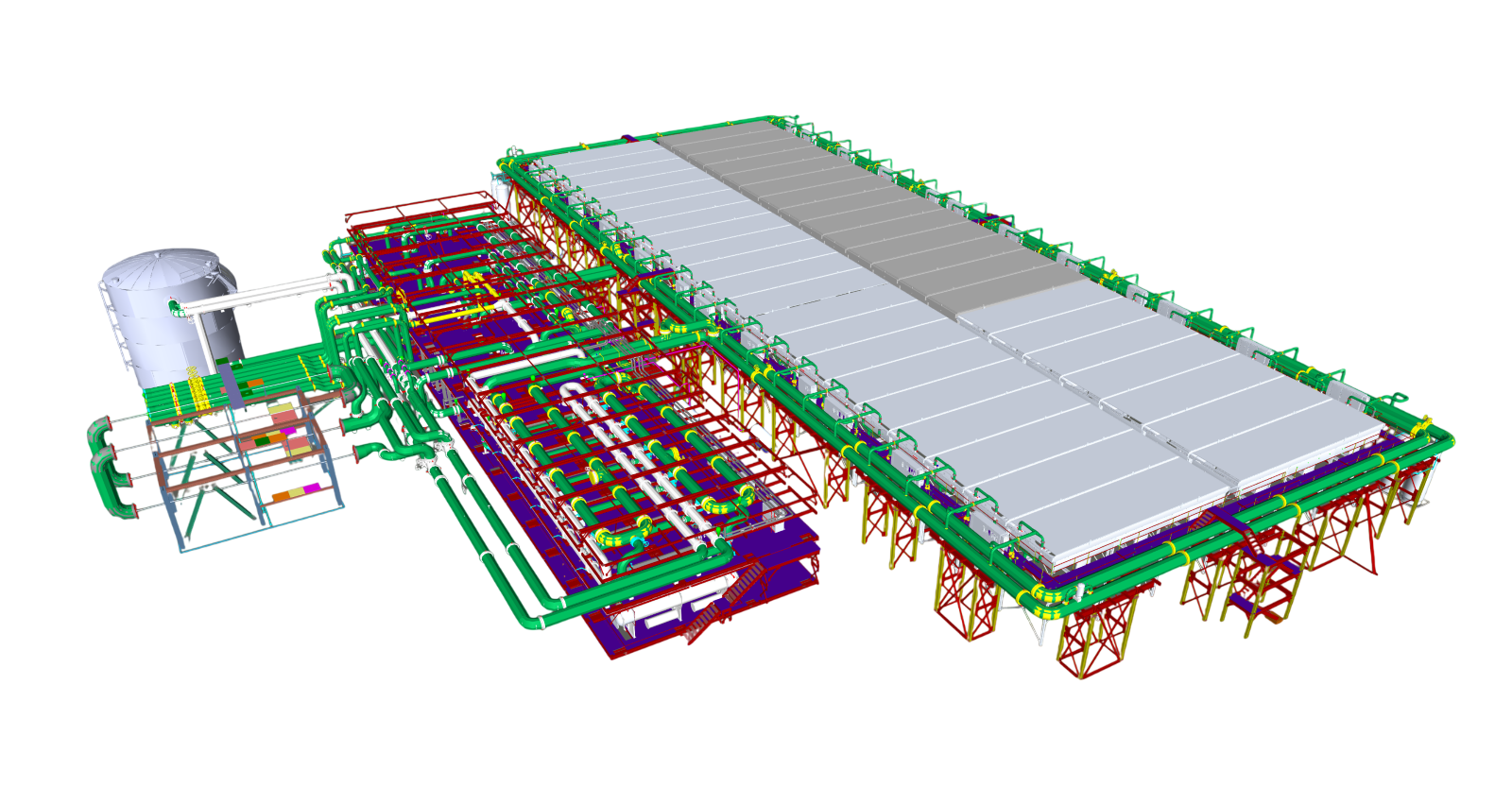
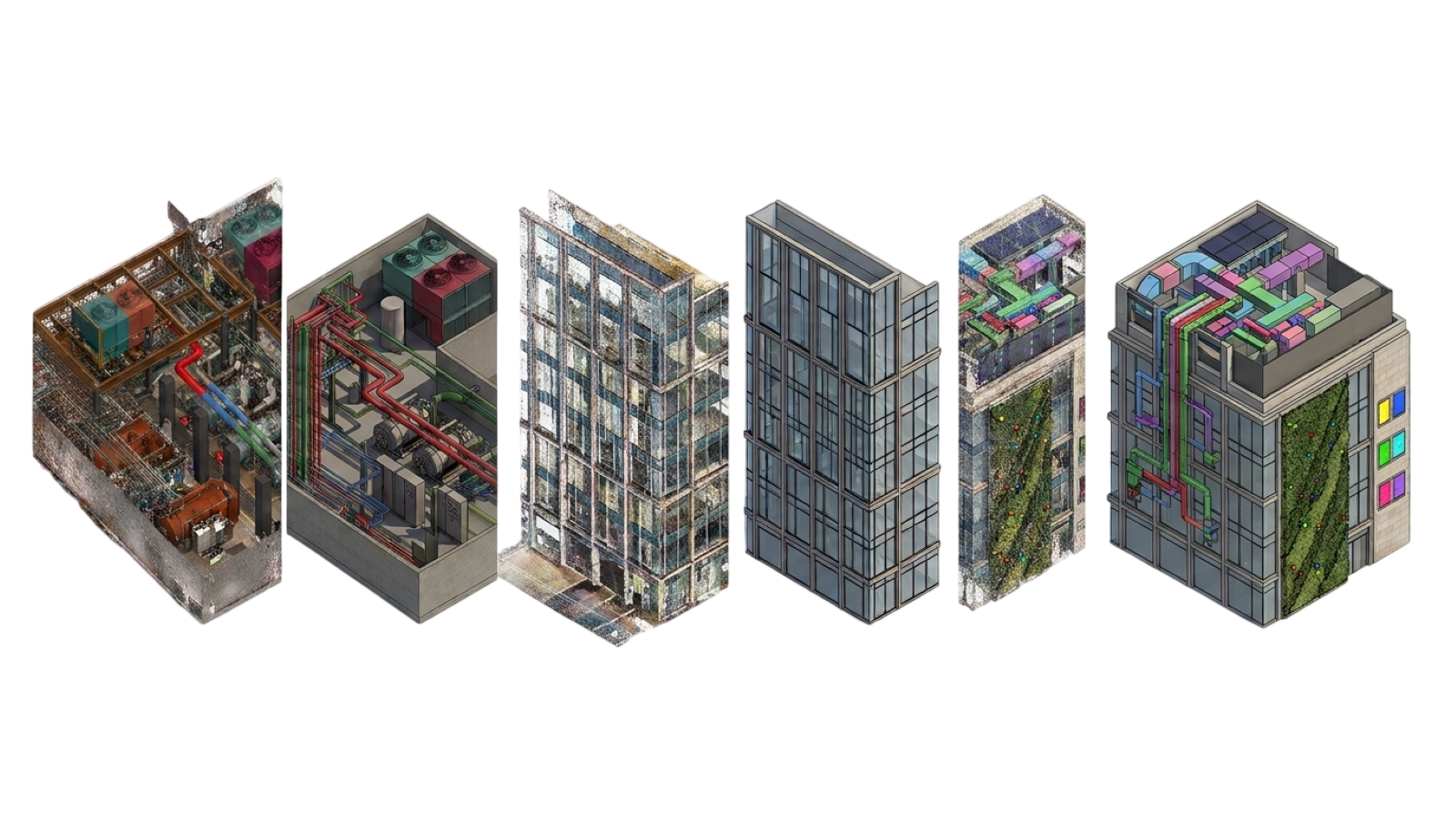
We design fire safety systems using Navisworks and Revit for commercial and infrastructural facilities. We execute the design and modelling process through BIM, leveraging its detailed 3D visualisation capabilities to enhance coordination, accuracy, and project understanding.
In our design process, the primary focus is on compliance with NFPA and other applicable standards and codes to ensure effective and reliable facility protection. Considerations such as ceiling patterns, spatial zoning, and symmetry are addressed subsequently.
These are some of the modelling activities we undertake for the design of fire protection systems:
- Pipe sprinkler systems
- Smoke control and extraction
- Fire detection and alarm systems
- Fire suppression systems
- Firewater mains and Hydrants
- Deluge systems
Systematic Firefighting BIM Workflow
Creating a fire safety system within a BIM model is more than simply placing components—sprinklers, fire hydrants, water storage tanks, and fire pumps.
It requires integrating engineering calculations, code compliance, design principles and strategy to develop a structured system that ensures the effective flow of water and other firefighting media, enabling a rapid and reliable response during critical moments to mitigate fire hazards.
We undertake the firefighting BIM design process through a systematic approach that covers planning, strategy, design, and execution:
- Designing begins once all the governing parameters and applicable codes are confirmed for the project.
- A BIM model environment is configured using architectural and structural models as references.
- We prepare hydraulic design using calculations—density requirements, flow rates, and pipe sizes—and system design reports to develop the 3D BIM model.
- The 3D model contains components such as sprinkler heads, nozzles, detectors, and branch lines, considering the layout from other disciplines.
- Coordination across all disciplines—MEP, structural, architectural—is a necessity to ensure accessibility of all components with ample maintenance access.
- Generation of construction issue drawings and isometrics with Bills of Materials and Material Take-offs with populated attributes for equipment identification, specification reference as part of the submission package during project handover.
Reliable BIM Modeling for Fire Protection


Construction approval of a facility depends on the effective functioning of firefighting systems. These systems have unique positioning requirements tied to compliance and BIM-driven engineering disciplines. Engineering designers ensure that all related issues are resolved during the design stage.

Cross-Disciplinary Coordination
We resolve spatial zoning issues for fire protection components—sprinkler mains and branch lines—by coordinating with HVAC ductwork, structural beams, and ceilings to ensure efficient fire protection routing.
Fire Code Compliance
Integrate NFPA and other relevant codes and regulations into the BIM model during the design stage and manually verify compliance where automated validation is not feasible.
Clash Detection and Rerouting
Minimise rerouting of firefighting equipment by identifying and resolving clashes with other disciplines. Coordinate with the architectural, structural, and MEP teams for efficient fire protection modelling.
Retrofitting Existing System
We conduct extensive field verification and compare them with existing BIM models to ensure new components do not clash with existing fire protection systems.
Hydraulic Design Integration
Coordinate hydraulic calculations with firefighting components in the BIM environment to correctly reflect pipe sizes, flow rates, and pressure requirements.
Enhanced Fire Protection BIM Services
Designing firefighting systems through BIM modelling ensures the safety of a facility well before installation or construction.
It is not only a mandatory requirement but also a significant time and cost saver during critical situations. Access to fire alarms, pumps, hydrants and other safety equipment during emergencies supports safe evacuation, protects assets, reducing the need for expensive rework.
3D BIM Models assist fire protection engineers in installing and routing fire safety equipment with ease by offering a visual representation of a facility’s layout. It also serves as a digital asset that can be repeatedly referenced for future maintenance and helps locate sprinklers, valves, pumps, etc., easily.
Technologies we use
AUTODESK REVIT * BIM 360 * ETABS
TEKLA * STAAD.PRO * AUTODESK CONSTRUCTION CLOUD
Industries we serve

MANUFACTURING

MEDICAL

STEEL STRUCTURAL

CIVIL

METRORAIL
Industrial Standards
Frequently Asked Questions
Fire Protection BIM Services FAQs
Related Engineering Services